

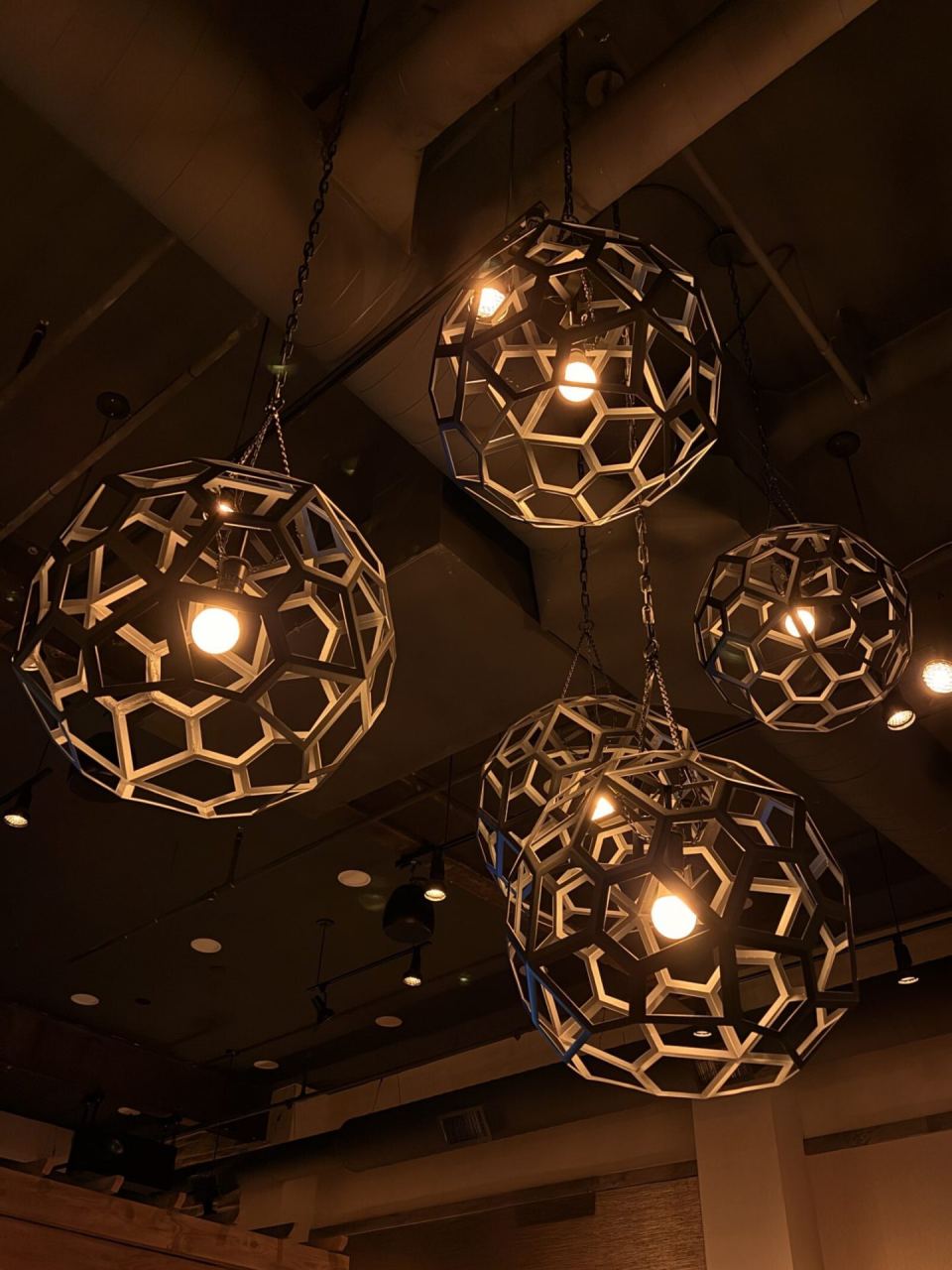
“Tunable white” has become a common line on lighting specs. It usually means a fixture can shift between warm and cool white. Ketra, made by Lutron, goes further: it controls the full spectrum of the light, not just a warm-to-cool slider. That difference shows up most in how skin, wood, stone and art look, and in how the light behaves as it dims.
How standard tunable LED works
Most tunable fixtures blend two kinds of white LED, one warm and one cool. Mixing them gives you points in between. It works, but the color in the middle of the range can look slightly flat or greenish, and dimming often makes the light look gray rather than warm.
What Ketra does differently
- Full-spectrum control. Ketra mixes several LED colors and calibrates every fixture at the factory, so whites stay clean across the whole range and fixtures match each other.
- Warm dimming. As Ketra dims it can shift warmer, the way an incandescent bulb or candle does, instead of simply getting darker.
- Natural Show. Fixtures can follow the sun automatically — brighter and cooler at midday, warm and low in the evening — with seasonal changes built in.
- Color when you want it. The same fixtures can produce saturated color for a party or a holiday scene, then return to clean white.
When Ketra is worth it
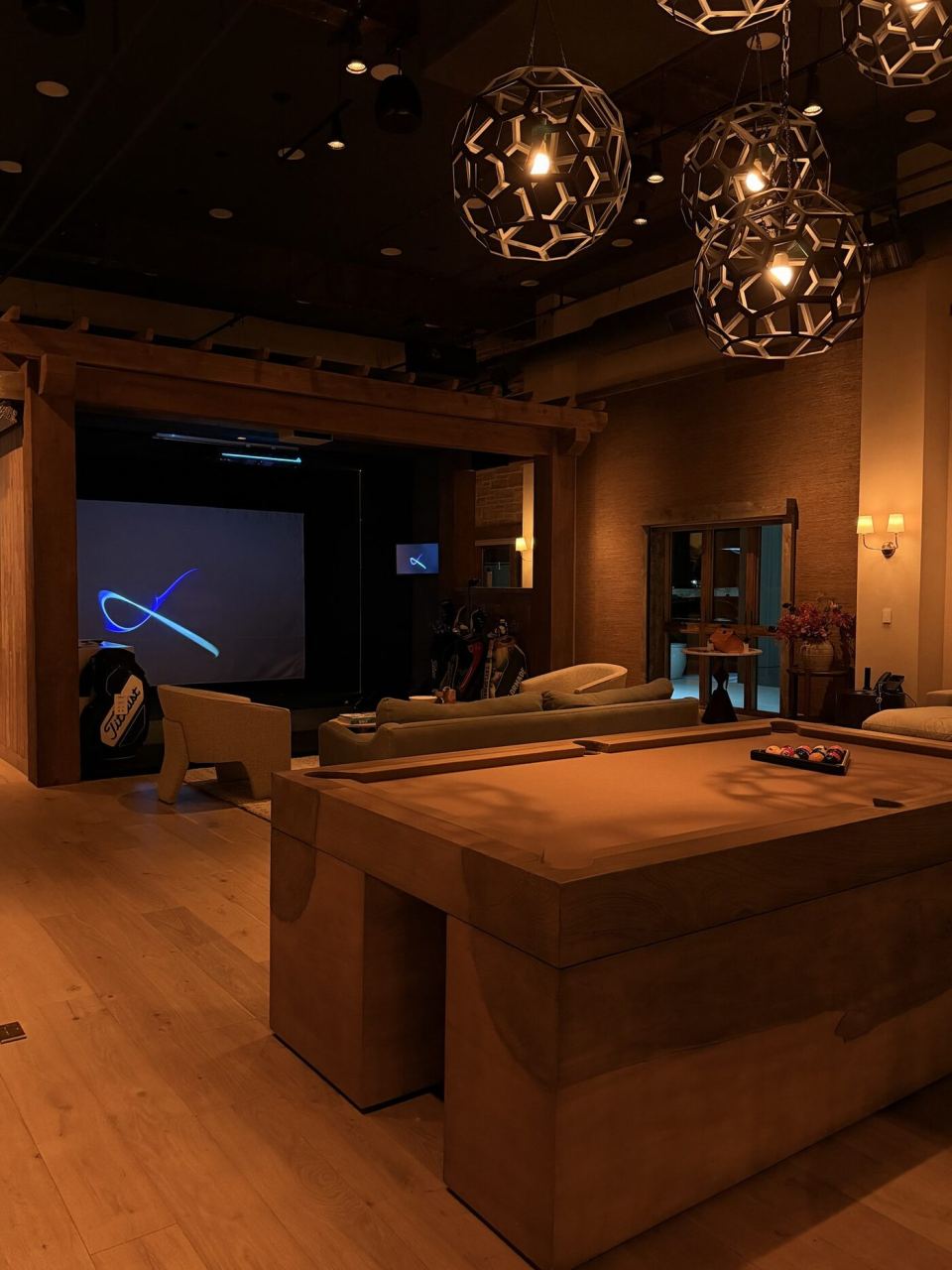
Ketra costs more than standard tunable LED, so we recommend it where people spend the most time and where materials matter: kitchens, great rooms, primary suites, art walls and dining rooms. Utility spaces, closets and garages rarely need it. Many homes mix the two, with Ketra in the main living areas and conventional fixtures elsewhere, all on one Lutron HomeWorks system.
Plan it with the fixtures, not after
Ketra lamps and fixtures have to be chosen during lighting design, alongside the ceiling layout and your designer’s decorative pieces. Retrofitting later usually means changing fixtures. If you are early in a project, bring your plans in.